


Video & audio
Capture → media transport → remote playback
Give remote staff the sound and views needed to understand the site.
CORE R&D EXPERIENCE · NEOLIX
A member of our core R&D previously led architecture design at Neolix, connecting on-vehicle media, transport, scheduling and monitoring with assisted-control workflows.
Attribution: the core R&D member’s prior project experience, not a delivery by Yiyouyinli.
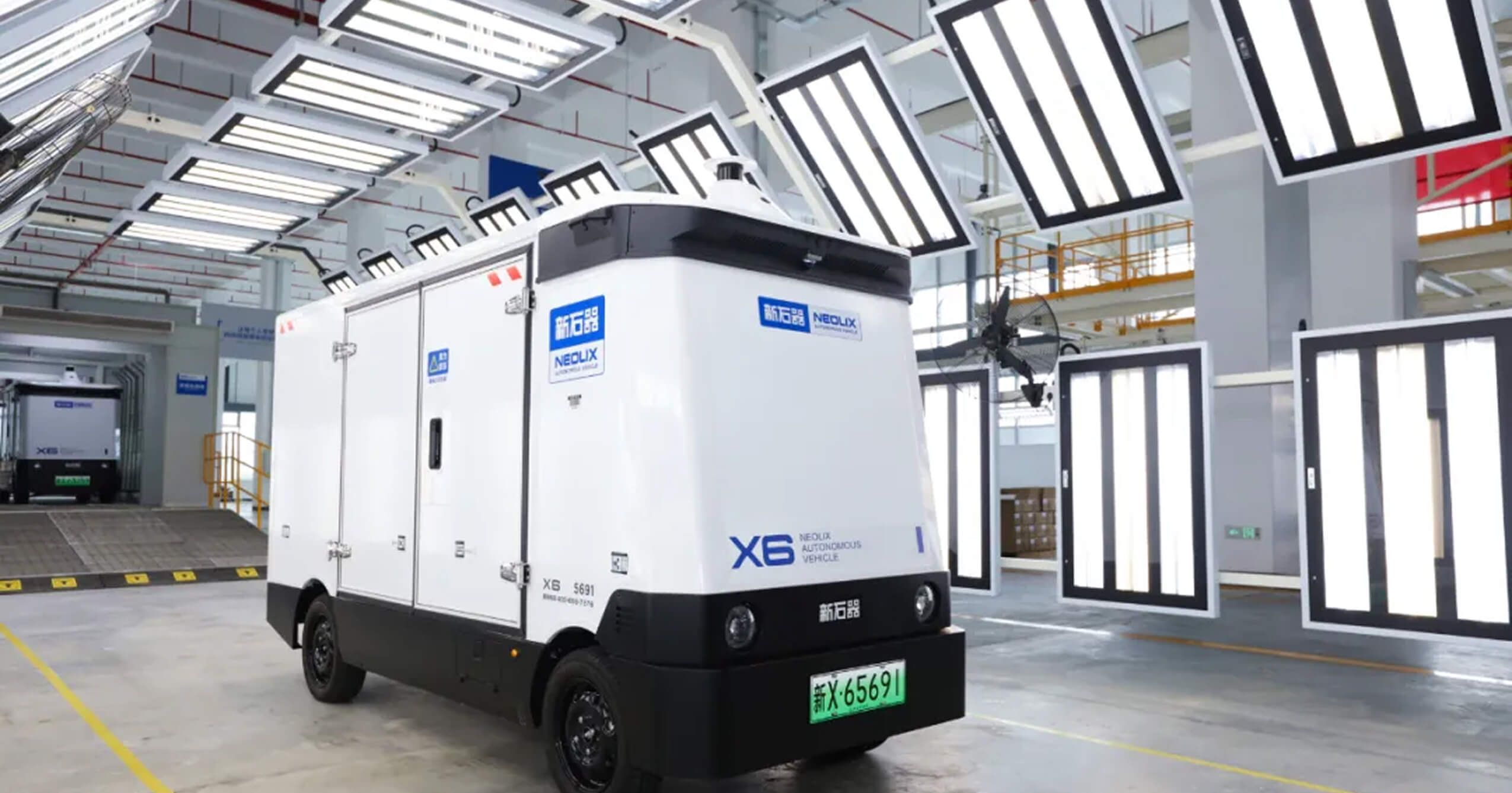
REAL-WORLD CONTEXT
Vehicles operate across locations. Remote teams need site visibility, vehicle state and a way to coordinate when assistance is needed. This experience focuses on the media and system architecture connecting those tasks.
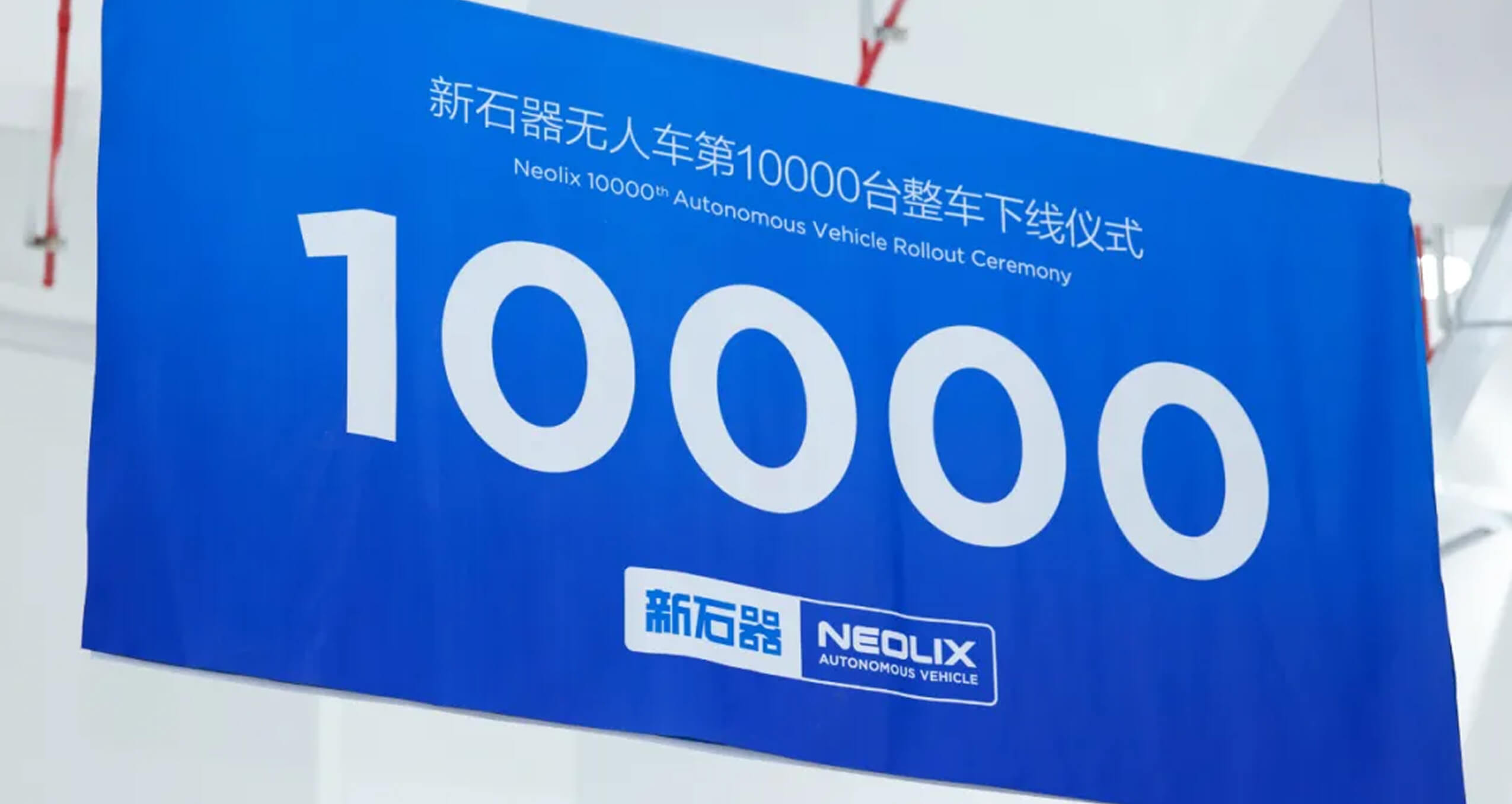
On September 23, 2025, Neolix announced delivery of its 10,000th autonomous vehicle.
This describes Neolix’s overall scale, not this project’s endpoint count, concurrent capacity or Yiyouyinli delivery volume.
Read Neolix’s official announcementImages come from Neolix’s 2025 public announcement and illustrate vehicle and scale context, not the delivery or implementation of this historical project.
ARCHITECTURE OVERVIEW
An architecture summary based on historical project materials, showing responsibilities and data flows.

Vehicle media and state reach monitoring through media nodes and session scheduling. Media, state and assisted commands have distinct paths; commands travel back to the vehicle.
Download SVG ↓
Observe round-trip time, loss and bandwidth, estimate link conditions, adapt encoding and delivery, then use playback and receiver feedback to continue the loop. No unverified performance values are shown.
Download SVG ↓Capture → media transport → remote playback
Give remote staff the sound and views needed to understand the site.
Vehicle state → state channel → monitoring
Understand media and device state in the same task, with distinct sources.
Authorized action → command channel → execution and feedback
Measure control feedback separately and coordinate with vehicle-side safety.
Monitoring first, with collaboration and assisted control when needed. Media transport, control authorization, feedback and loss-of-link protection are designed separately. This is not a deployable control system.
ARCHITECTURE LEADERSHIP
Scope is confirmed by the project-role description. Architecture experience does not imply a currently available SDK or complete vehicle product.
Organize camera and audio inputs, capture, codecs and streaming to bring the vehicle environment into remote view.
Design media delivery and link feedback around bandwidth, loss and latency changes on mobile networks.
Present multiple views and vehicle state for remote observation and coordinated decisions.
Design forwarding nodes and node coordination to connect vehicle and monitoring sessions.
Map endpoints and sessions to media services, connecting session establishment with media delivery.
Organize commands, vehicle-state feedback and video as distinct flows, connected to vehicle control and safety mechanisms.
Multiple views and vehicle state support remote observation. Assisted actions follow the relevant application workflow.
The historical architecture addresses mobile networks through bandwidth estimation, congestion feedback and media adaptation. Dual-router and multi-link design also appear in the project materials.
Session scheduling, media forwarding and node coordination connect vehicles with monitoring endpoints. Capacity requires separate validation under deployment conditions.
This page summarizes historical project materials and the core R&D member’s role description. Results across versions, devices and networks are not interchangeable. The site’s ≤100ms commitment and proposed test targets are not Neolix project measurements. New projects require their own agreed configuration and acceptance criteria.
Explore performance validationBUILD ON PROJECT EXPERIENCE
Bring your vehicles, cameras, networks and monitoring system to define the integration scope.